

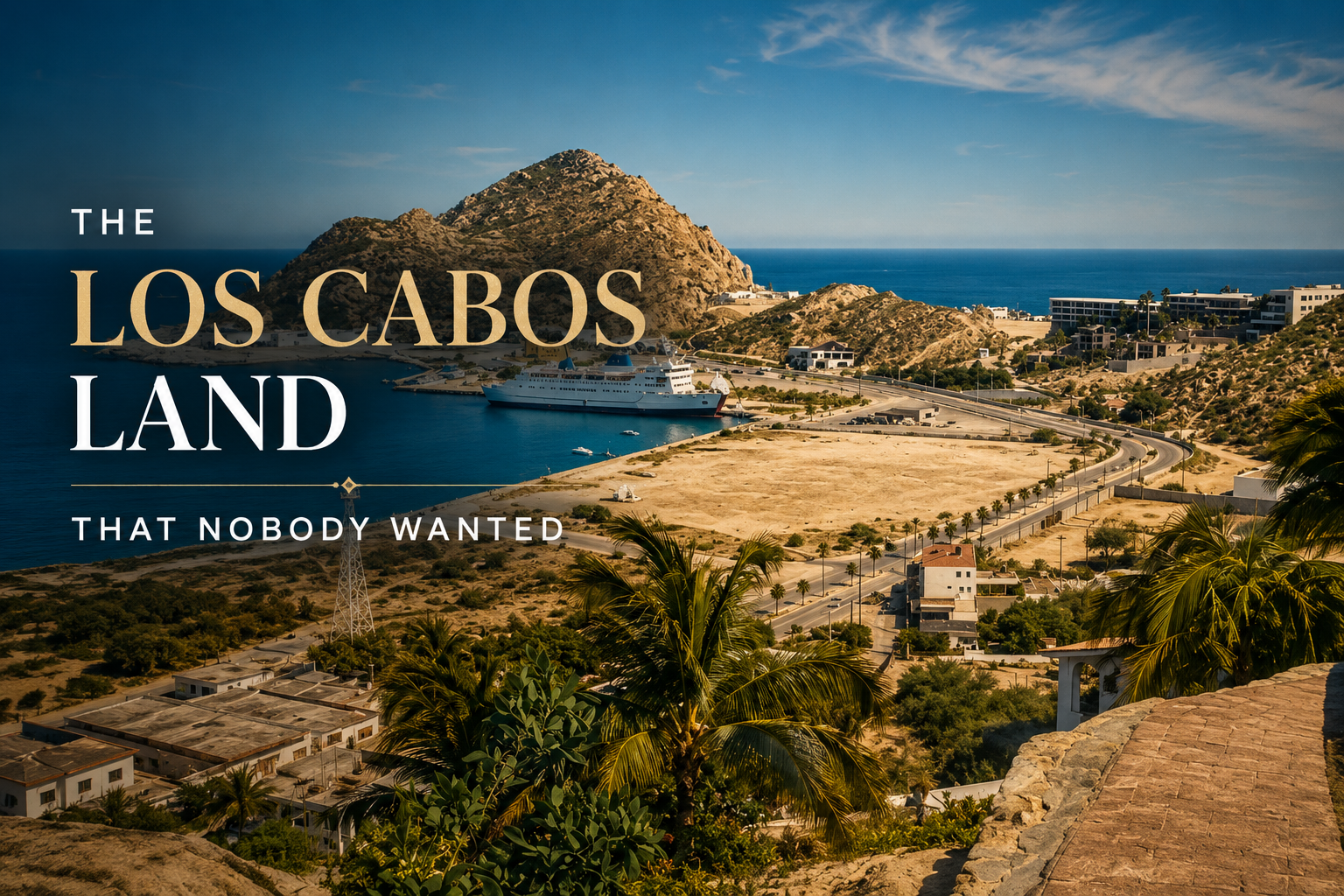
The Los Cabos Land That Nobody Wanted
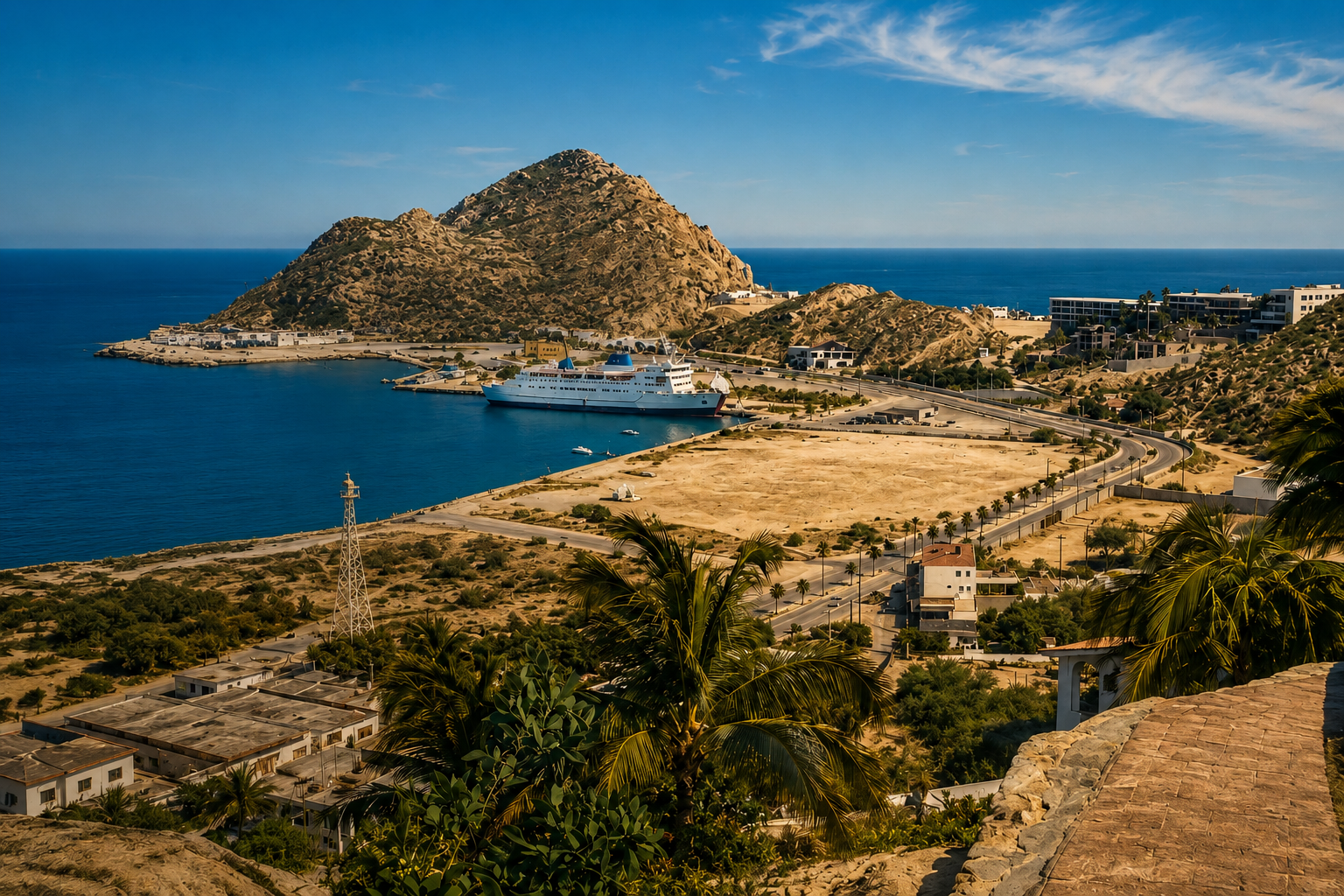
The Los Cabos land that nobody wanted is now worth more than anyone from that era could have imagined. However, for generations, the story was exactly the opposite, and the irony only reveals itself when you step back far enough to see the whole arc.
The Consolation Parcel
Picture a ranching family from a few generations back. A large spread of land, several children to provide for, and the very practical question of how to divide things fairly. In that world, value had a clear definition: water. The parcels worth having were up in the hills, where shade trees stood, springs ran, and cattle could actually survive.
The oceanfront? Salt spray, rocky soil, wind, no shade, no fresh water. Nothing grew there, and nothing useful happened there. So it was the land you gave away when you had already given everything else.
The favored children received the hillsides. The youngest, the one who drew the short straw, received the stretch of useless rocks and sand down by the water. It was not cruelty. It was simply the logic of the era.
The Long Game
Then came the dirt roads, the arrival of statehood, the first fishing camps, and the Transpeninsular Highway. International tourism followed, and with it, a complete rewriting of what this coastline was worth.
That great-granddaughter sitting on Great-Grandpa’s worthless sand? She is now holding some of the most valuable titled real estate in the world. Meanwhile, the hillside siblings’ inheritance, functional, sensible, and respectable, is a fraction of it.
What the family considered the consolation parcel became the crown jewel of the Corridor.
KT, Your Insider Guide
Value is always a function of perspective and timing. The ranching family was not wrong about what mattered in their world. They simply could not see what was coming.
So when you look at a piece of land that seems out of the way, or a market that seems quiet, or a location that does not yet fit conventional wisdom, remember the rancher’s youngest. Yesterday’s overlooked sand is today’s twenty-million-dollar villa site. Furthermore, the people who saw it early did not have better information. They just had a longer horizon.
That horizon still exists in Los Cabos today, and it is still earlier than most people think.