

El Faro Viejo Cabo: The 1905 Lighthouse Story
Long before the tuna cannery transformed Cabo San Lucas, Land’s End already served as a critical navigational beacon. The junction where the Gulf of California meets the open Pacific posed a serious hazard to maritime trade. Someone had to put a light there. In 1905, they did.
Who Built El Faro Viejo and When?
In 1896, the Secretaría de Comunicaciones commissioned Spanish engineer Joaquín Palacios Gómez to build a lighthouse at Cabo Falso. This happened under the Porfirio Díaz administration’s modernization push. Construction began in 1904. El Faro Viejo opened on May 5, 1905, as one of the first federal public works in this remote corner of the territory.
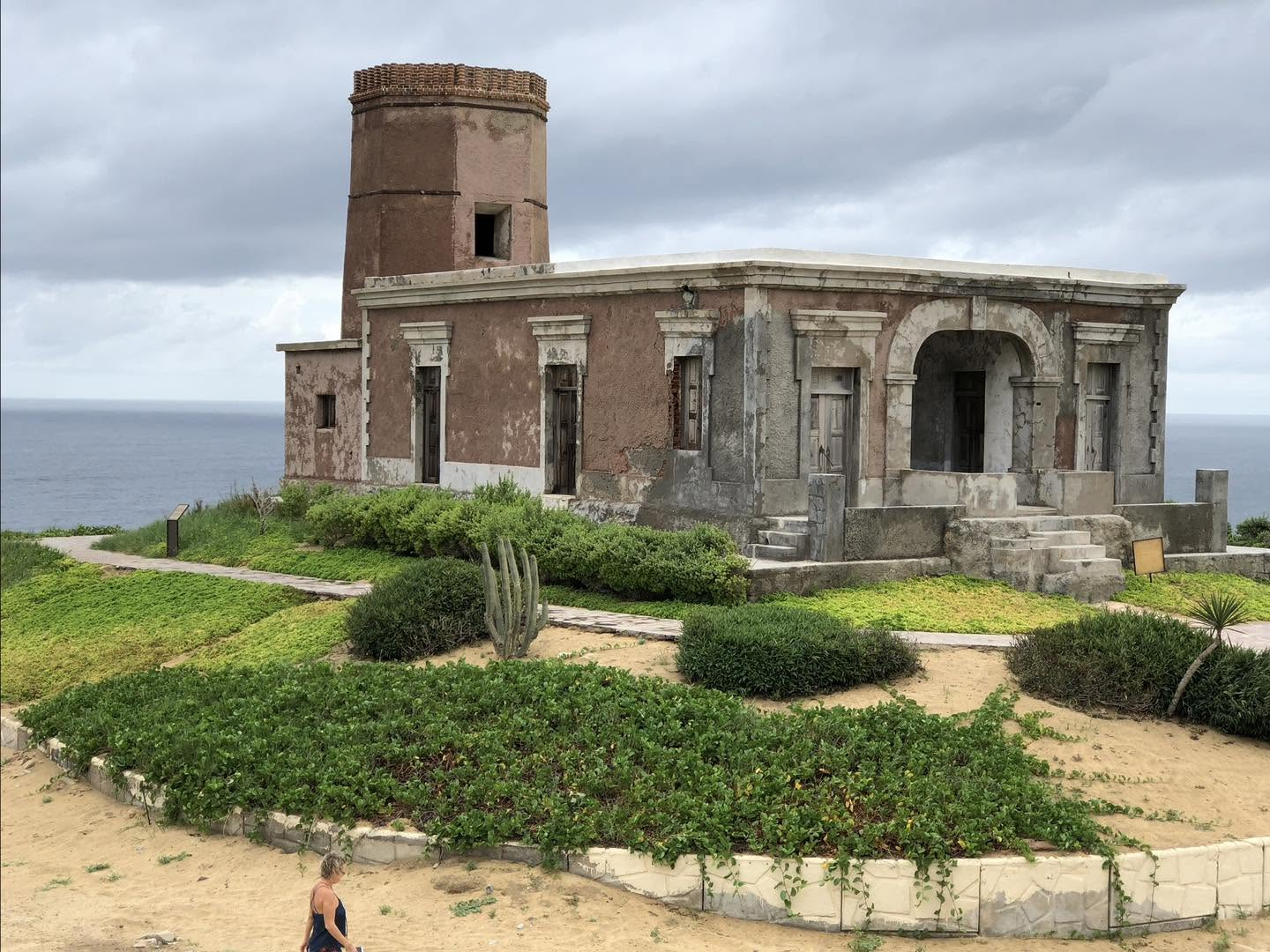
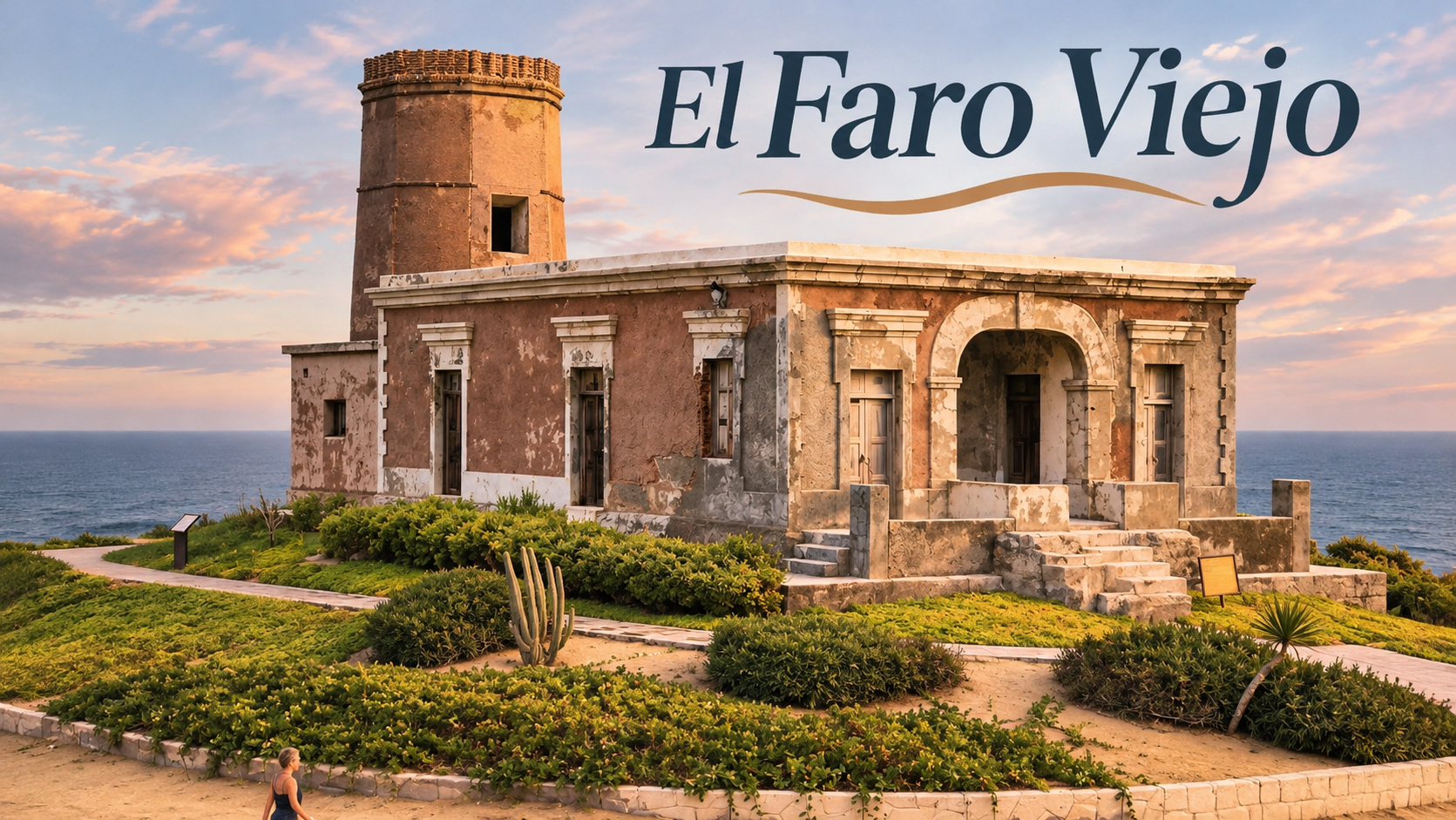
Workers laid rail track across the dunes to haul materials to the site. They raised an octagonal stone tower with Art Nouveau lines. At the time, Cabo San Lucas was little more than a scattering of families along the shore. Nevertheless, this lone outpost connected the region to international commerce from day one.
What Was the French Lantern Inside El Faro Viejo?
The mechanical heart of the lighthouse came from France. Workers installed a rotating optic and lantern mechanism that had appeared at the 1900 Paris Exposition. It threw a white flash every four seconds, visible roughly ten nautical miles out. Accounts differ on the fuel type, whether kerosene, petroleum gas, or diesel, but all agree it needed constant attention. The keeper had to keep it running through every night. A missed rotation meant real risk to ships working the passage below.
What Was Life Like for the Lighthouse Keeper?
The keeper and family lived on-site by requirement. They had no choice. The machinery demanded continuous attention, and miles of soft desert sand separated the lighthouse from the village. Water came from a nearby spring the engineers chose the site for. Other provisions arrived however they could. Moreover, there were no paved roads, no desalination plants, and no outside support of any kind. Just stone, fuel, and the Pacific horizon.
Why Did El Faro Viejo Stop Operating?
El Faro Viejo guided ships for roughly fifty years. In the mid-1960s, however, a severe hurricane compounded decades of shifting dunes and salt-air corrosion. As a result, the original structure became too damaged to operate safely. The government consequently built a modern automated replacement on the Las Hermanas hill nearby, a red-and-white-striped tower sitting nearly 700 feet above sea level. Workers moved the old French lantern to the new tower. Furthermore, El Faro Viejo went dark for good, which is how it earned the name locals still use today: the old lighthouse.
KT Insider Note
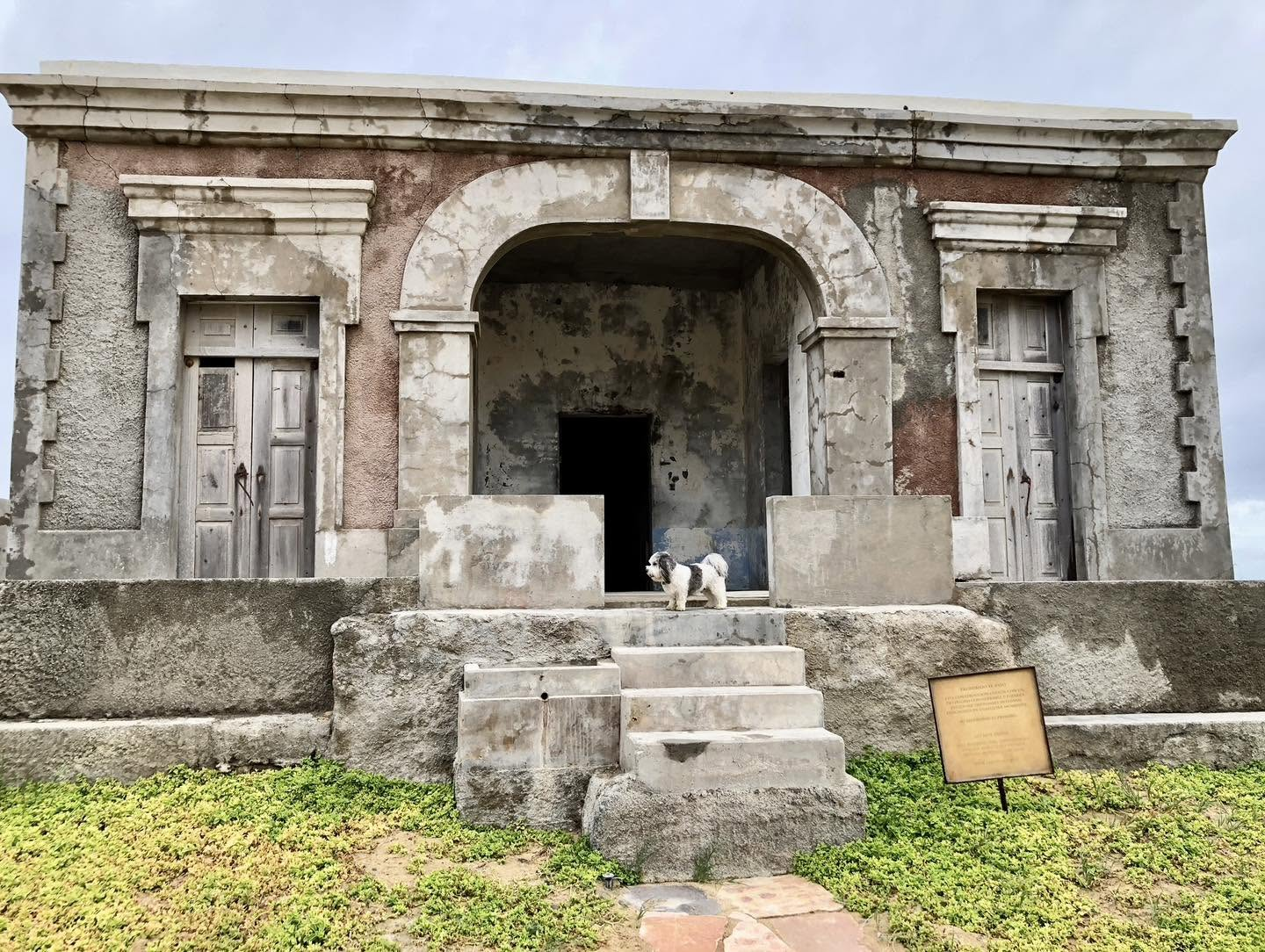
Casual public access to El Faro Viejo no longer exists. The historic site sits inside the private gates of the Quivira development along the Pacific bluffs. However, if you book a round on the Quivira golf course, you can drive your cart right up to the base of the tower. Standing beside the stone structure and the old keeper’s quarters on a windy afternoon makes the isolation of that posting feel very real. In addition, the families who kept this light burning had nothing but the work and the view. In 1905, that view stood between a passing ship and the rocks below.
KT, Your Insider Guide, Cabos Finest Real Estate , Facebook