
Why Surfers Keep Coming Back to Los Cabos
Why Surfers Keep Coming Back to Los Cabos
Why surfers keep coming back to Los Cabos has nothing to do with the golf courses or the fishing tournaments. This coastline has a surf culture as soulful and deep as anywhere in Mexico, and once you feel it, it stays with you.
Before the Highway, Before the Crowds
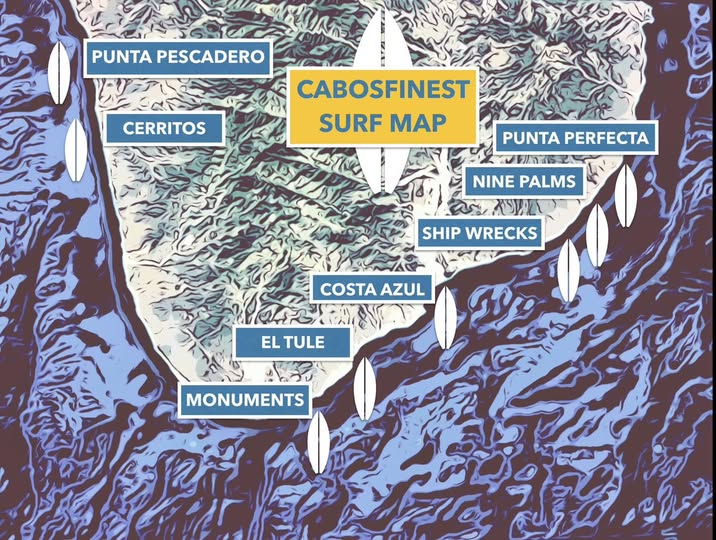
Before the Transpeninsular Highway opened in 1973, the Cabo coastline was the final frontier. No road meant no crowds. California sailors and fishermen were the first to find the perfect peeling lines at Costa Azul, and they kept quiet about it. They landed on dirt airstrips, caught rides on whatever was moving, and camped on the beach for weeks. Just them, the three breaks at Costa Azul, Zippers, The Rock, and Old Man’s, and miles of empty water.
Mike Doyle and the Soul of the Break
Mike Doyle changed everything. Voted best surfer in the world in the mid-1960s, he didn’t just visit Cabo. He stayed. He built the Mike Doyle Surf School at Playa Acapulquito, taught a generation to read the ocean, and helped develop the foam surfboard. Every beginner who has ever caught a wave on a foamie owes him something.
The competitive era arrived in the early 1990s when the Fletcher Los Cabos Classic brought world-class surfers to Zippers. The lineup got serious, and this became one of the reasons why surfers keep coming back to Los Cabos year after year.
Why the Waves Work Here
The geography does the work. Los Cabos sits in the direct path of Pacific swells that travel thousands of miles before reaching this shore. On the right day, Zippers delivers a powerful and dynamic wave that rewards experience. The South Swells hit hardest from May through October, making that window the prime season for the corridor and East Cape breaks. Winter surfers are better served heading to the Pacific side near Todos Santos for more consistent energy.
The Best Breaks by Experience Level
For beginners, Playa Acapulquito, known as Old Man’s, is one of the most forgiving learning waves in the world. It’s a long, gentle right-hand point break that gives you time to find your feet. Watch the tide though, it gets rocky when the water drops. Cerritos on the Pacific side also offers a gradual sandy bottom that works well for newer surfers.
For those with more experience, Zippers at Costa Azul is the headline act. Powerful, consistent during swell season, and surrounded by a community that has been surfing this break for decades.
What to Wear in the Water
Summer means trunks only, with water temperatures regularly reaching the low 80s Fahrenheit. Spring is different. Upwelling between March and June can bring sudden cold currents, so a 2mm top or a shorty in your bag is a smart call.
The Culture Belongs to Those Who Protect It
Why surfers keep coming back to Los Cabos is also about this: a tight-knit community with forty years of history in the water. The lineups are more crowded now, and the easy secret-spot days are mostly gone. But the culture remains intact for those who respect it.
Observe the rotation before you paddle out. Give the right of way, don’t snake the peak, and leave the ego on the beach. If you’re traveling with a group, spread out and don’t scramble for the same set. The wave doesn’t care who you are, but the locals who have been surfing here since before you arrived certainly do. Respect that, and this coastline still has plenty of soul left to share.


